


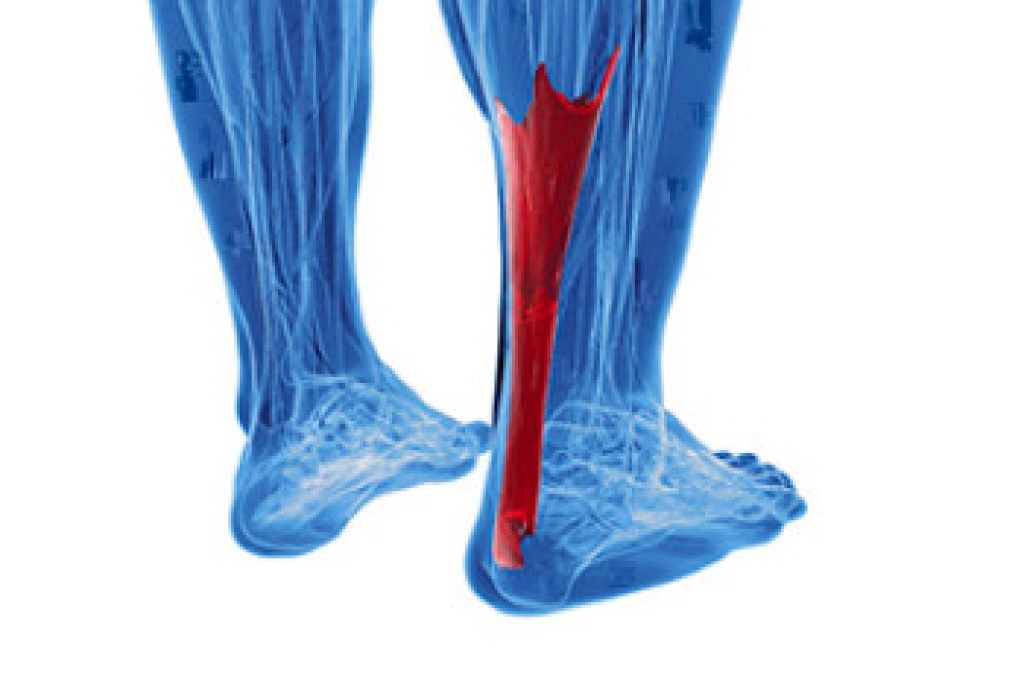
Achilles tendonitis develops when the band connecting the calf muscles to the heel becomes irritated. This tendon helps lift the heel when walking, running, or jumping. Pain can affect the middle of the tendon or the area where it attaches to the heel bone. Symptoms include aching or burning behind the ankle, morning stiffness, and tenderness. Mild swelling can also appear after activity. The discomfort usually begins gradually and can make climbing stairs, running, or pushing off the foot difficult.
Repeated strain is a leading cause of Achilles tendonitis. Runners can develop it after increasing mileage too quickly, adding hills, or changing their routine. Tight calf muscles and limited ankle movement place added stress on the tendon. Risk also rises with age because tendons become less flexible. Flat feet, poor running form, and shoes that lack proper support can contribute to the problem. A bone spur near the heel can rub against the tendon and irritate its attachment. Continuing activity despite pain can worsen the damage and prolong recovery.
A podiatrist can examine the foot and ankle, review how symptoms began, and check the tendon for swelling or tenderness. The examination can reveal problems with foot structure or movement that place extra strain on the area. Imaging tests can help rule out a tear or identify a bone spur. Treatment includes activity changes, heel lifts, or custom orthotics that improve foot alignment. A podiatrist can recommend supportive shoes and prescribe a brace or walking boot when more protection is required. Treatment is based on the location and severity of the irritation and the patient’s activity level. Most patients improve without surgery, but severe tendon damage can require it. Early care can reduce strain and support a safer return to normal activity. If you have symptoms of Achilles tendonitis, it is suggested that you schedule an appointment with a podiatrist for a diagnosis and appropriate treatment.
Achilles tendon injuries need immediate attention to avoid future complications. If you have any concerns, contact Gabrielle Clark, DPM of LA Feet Foot & Ankle Center, Inc. Our doctor can provide the care you need to keep you pain-free and on your feet.
What Is the Achilles Tendon?
The Achilles tendon is a tendon that connects the lower leg muscles and calf to the heel of the foot. It is the strongest tendon in the human body and is essential for making movement possible. Because this tendon is such an integral part of the body, any injuries to it can create immense difficulties and should immediately be presented to a doctor.
What Are the Symptoms of an Achilles Tendon Injury?
There are various types of injuries that can affect the Achilles tendon. The two most common injuries are Achilles tendinitis and ruptures of the tendon.
Achilles Tendinitis Symptoms
- Inflammation
- Dull to severe pain
- Increased blood flow to the tendon
- Thickening of the tendon
Rupture Symptoms
- Extreme pain and swelling in the foot
- Total immobility
Treatment and Prevention
Achilles tendon injuries are diagnosed by a thorough physical evaluation, which can include an MRI. Treatment involves rest, physical therapy, and in some cases, surgery. However, various preventative measures can be taken to avoid these injuries, such as:
- Thorough stretching of the tendon before and after exercise
- Strengthening exercises like calf raises, squats, leg curls, leg extensions, leg raises, lunges, and leg presses
If you have any questions please feel free to contact our offices located in New Orleans, Metairie, and Slidell, LA . We offer the newest diagnostic tools and technology to treat your foot and ankle needs.
