Like us on Facebook
Follow us on twitter
Follow us on Instagram
Follow us on TikTok
Review us on Google

Essential Senior Foot Care Tips

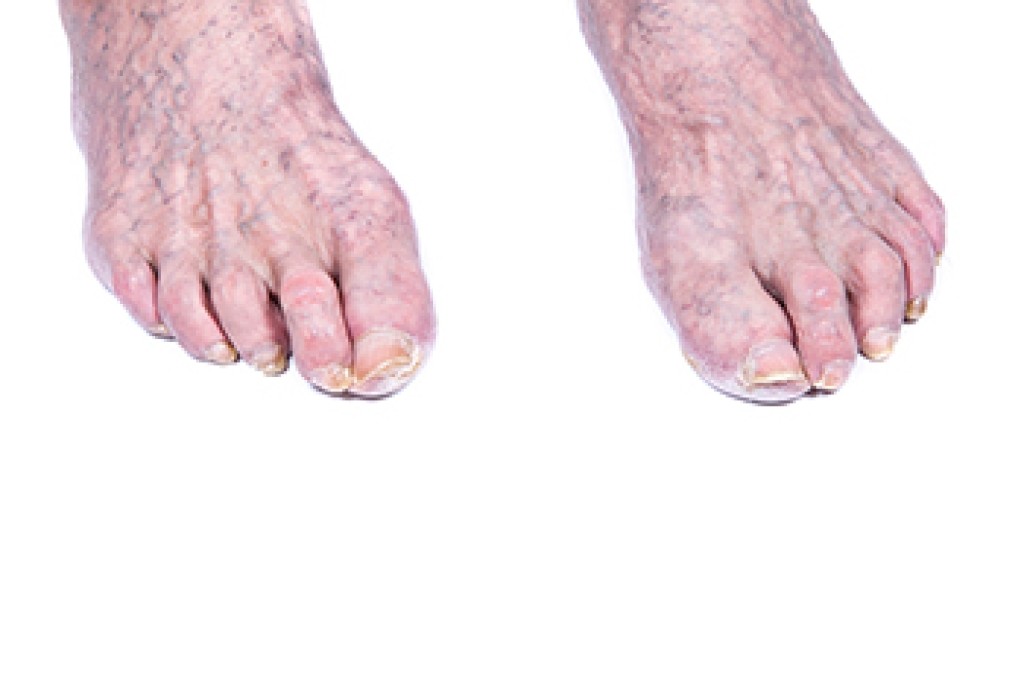
Senior foot care is an important part of staying active, balanced, and independent. A simple daily foot check helps identify changes, including redness, swelling, or sores, before they worsen. Washing and drying the feet thoroughly keeps the skin healthy, while applying moisturizer, but not between the toes, helps prevent cracking. Trimming toenails straight across reduces the risk of ingrown nails, and choosing shoes that fit well supports stability and protects delicate skin. A podiatrist can address foot pain, toenail problems, circulation concerns, and other changes related to aging. If you or an elderly loved one have developed foot pain, it is suggested that you consult a podiatrist who can treat various foot conditions, and guide you on additional foot care tips.

If you need your feet checked, contact Gabrielle Clark, DPM of LA Feet Foot & Ankle Center, Inc. Our doctor will attend to all of your foot and ankle needs and provide you with quality treatment.

Geriatrics and Podiatry
When people age, some common issues that may occur are bone density loss, dry skin, poor circulation, and rough brittle nails. These issues may also affect your foot health if the necessary steps are not taken to alleviate the problems.

It is important to take care of your feet because feet that are injured or diseased can affect your overall health. Having painful feet hinders your ability to do daily activities or may decrease your willingness to do the things that you need to do.

Visiting Your Geriatrician
As we age, health problems become more likely, so it is essential to visit your doctor for check-ups to ensure that you are doing the best you can to take care of your health. It is recommended to check your feet frequently for any possible cuts, bruises, swelling, corns or any other irregularities. 

Taking Care of Elderly Feet
Cracked or dry feet can be treated by applying moisturizer often. It is also important not to wear old socks because the older the sock is, the higher the possibility there will be that there is bacteria there. Wear fresh socks and make sure they fit properly.

Proper foot health means that you can have a more active lifestyle and you will not be bogged down by pain. Foot health also leads to good circulation, which is paramount for overall health.

If you have any questions, please feel free to contact our offices located in New Orleans, Metairie, and Slidell, LA . We offer the newest diagnostic and treatment technologies for all your foot care needs.
Read more about Geriatrics and Podiatry

Why High Heels May Cause Blisters

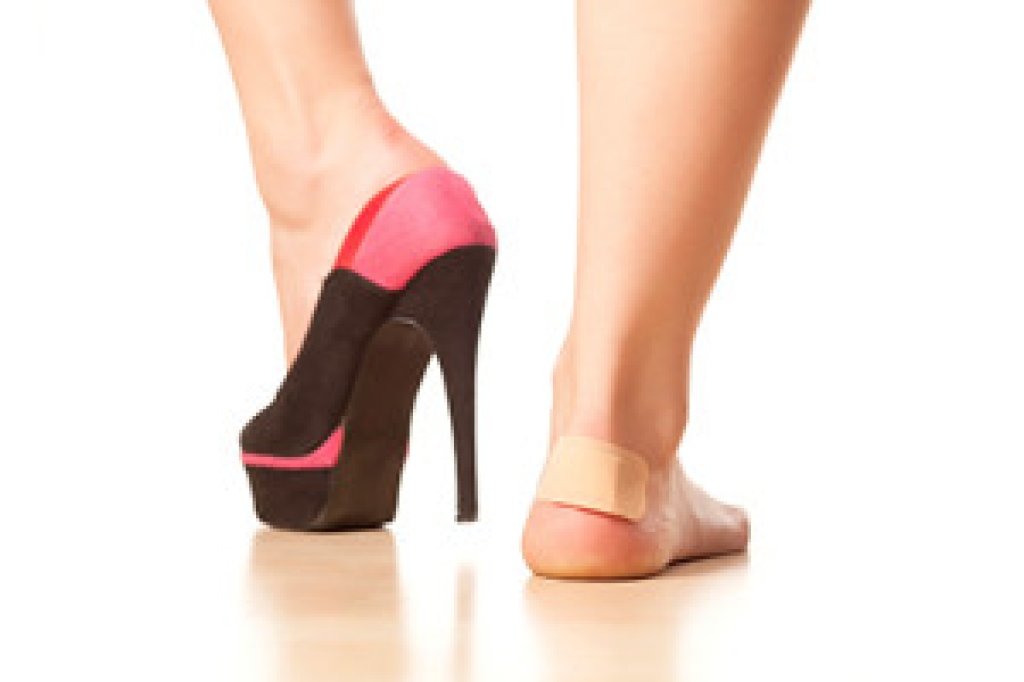
Blisters are a common problem while wearing high heels because friction builds up with every step, especially during long periods of walking or standing. Wearing tight or narrow heels increases rubbing on the toes and heels, which leads to painful fluid filled pockets on the skin, known as blisters. Prevention starts with choosing heels that fit properly, and many people find relief by buying a size larger for more room. Wearing wedges provides more stability and reduces pressure on the foot, and alternating heels with flat shoes throughout the day helps limit irritation. A podiatrist can assess problem areas, recommend protective padding, and treat existing blisters safely before they become infected. If blisters are slowing you down, it is suggested that you schedule an appointment with a podiatrist who can offer effective relief and prevention tips.

Blisters may appear as a single bubble or in a cluster. They can cause a lot of pain and may be filled with pus, blood, or watery serum. If your feet are hurting, contact Gabrielle Clark, DPM of LA Feet Foot & Ankle Center, Inc. Our doctor can provide the care you need to keep you pain-free and on your feet.

Foot Blisters

Foot blisters are often the result of friction. This happens due to the constant rubbing from shoes, which can lead to pain.

What Are Foot Blisters?

A foot blister is a small fluid-filled pocket that forms on the upper-most layer of the skin. Blisters are filled with clear fluid and can lead to blood drainage or pus if the area becomes infected.

Symptoms

(Blister symptoms may vary depending on what is causing them)

  • Bubble of skin filled with fluid
  • Redness
  • Moderate to severe pain
  • Itching

Prevention & Treatment

In order to prevent blisters, you should be sure to wear comfortable shoes with socks that cushion your feet and absorb sweat. Breaking a blister open may increase your chances of developing an infection. However, if your blister breaks, you should wash the area with soap and water immediately and then apply a bandage to the affected area. If your blisters cause severe pain it is important that you call your podiatrist right away.

If you have any questions, please feel free to contact our offices located in New Orleans, Metairie, and Slidell, LA . We offer the newest diagnostic and treatment technologies for all your foot care needs.
Read more about Blisters on the Feet

Keeping Corns and Calluses From Slowing You Down

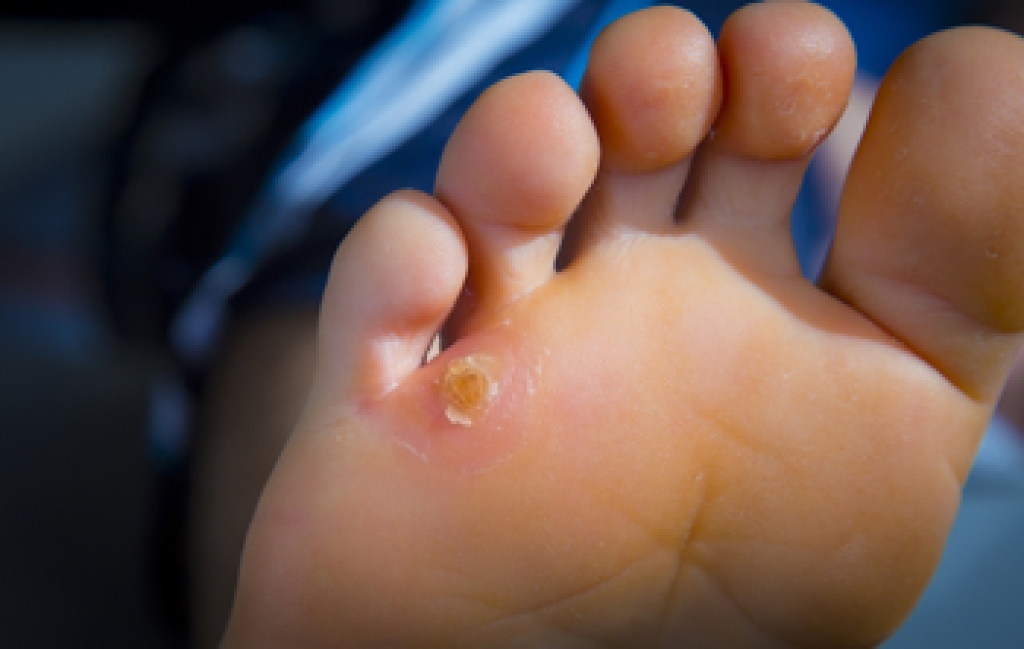
Corns and calluses form when the skin protects itself from repeated friction or pressure, often caused by wearing tight shoes, high heels, or areas of the foot that bear extra weight. While they are common, they can become uncomfortable when the thickened skin begins to press deeper into sensitive tissue. Choosing footwear with enough room in the toe box, wearing socks that reduce rubbing, and keeping the skin lightly moisturized can help limit irritation. Gentle care is helpful, but persistent or painful spots should not be filed down aggressively at home because this can worsen the problem. A podiatrist can determine why the thickened skin developed, address any underlying structural issues, and provide safe ways to reduce pressure. If corns or calluses keep returning or are starting to cause pain, it is suggested that you see a podiatrist for proper evaluation and appropriate care.

If you have any concerns regarding your feet and ankles, contact Gabrielle Clark, DPM of LA Feet Foot & Ankle Center, Inc. Our doctor will treat your foot and ankle needs.

Corns: What Are They? and How Do You Get Rid of Them?
Corns can be described as areas of the skin that have thickened to the point of becoming painful or irritating. They are often layers and layers of the skin that have become dry and rough, and are normally smaller than calluses.

Ways to Prevent Corns
There are many ways to get rid of painful corns such as wearing:

  • Well-fitting socks
  • Comfortable shoes that are not tight around your foot
  • Shoes that offer support

Treating Corns
Treatment of corns involves removing the dead skin that has built up in the specific area of the foot. Consult with Our doctor to determine the best treatment option for your case of corns.

If you have any questions, please feel free to contact our offices located in New Orleans, Metairie, and Slidell, LA . We offer the newest diagnostic and treatment technologies for all your foot care needs.
Read more about Everything You Need to Know About Corns

Symptoms of Morton’s Neuroma

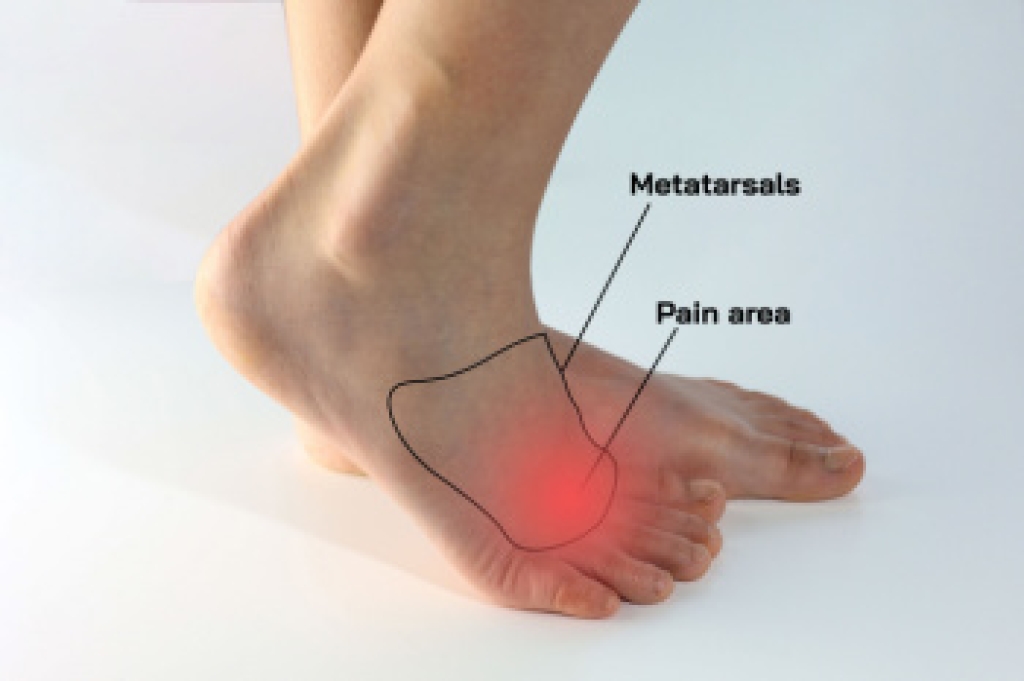
Morton’s neuroma is a painful condition that involves thickening of the tissue surrounding a nerve in the ball of the foot, often between the third and fourth toes. This can cause sharp pain that feels like something is stuck in the shoe. Other symptoms are burning, numbness, or tingling. Causes include repetitive pressure on the forefoot, wearing tight shoes, high heels, or having certain foot shapes that place added stress on the nerve. Symptoms may worsen with walking or standing for long periods. A podiatrist can assess the foot, provide proper footwear guidance, prescribe custom orthotics, and recommend treatments that reduce nerve irritation and improve comfort. If you have pain in this part of your foot, it is suggested that you consult a podiatrist who can offer effective relief and treatment solutions.

Morton’s neuroma is a very uncomfortable condition to live with. If you think you have Morton’s neuroma, contact Gabrielle Clark, DPM of LA Feet Foot & Ankle Center, Inc. Our doctor will attend to all of your foot care needs and answer any of your related questions.  

Morton’s Neuroma

Morton's neuroma is a painful foot condition that commonly affects the areas between the second and third or third and fourth toe, although other areas of the foot are also susceptible. Morton’s neuroma is caused by an inflamed nerve in the foot that is being squeezed and aggravated by surrounding bones.

What Increases the Chances of Having Morton’s Neuroma?

  • Ill-fitting high heels or shoes that add pressure to the toe or foot
  • Jogging, running or any sport that involves constant impact to the foot
  • Flat feet, bunions, and any other foot deformities

Morton’s neuroma is a very treatable condition. Orthotics and shoe inserts can often be used to alleviate the pain on the forefront of the feet. In more severe cases, corticosteroids can also be prescribed. In order to figure out the best treatment for your neuroma, it’s recommended to seek the care of a podiatrist who can diagnose your condition and provide different treatment options.

If you have any questions, please feel free to contact our offices located in New Orleans, Metairie, and Slidell, LA . We offer the newest diagnostic and treatment technologies for all your foot care needs.

Read more about Morton's Neuroma

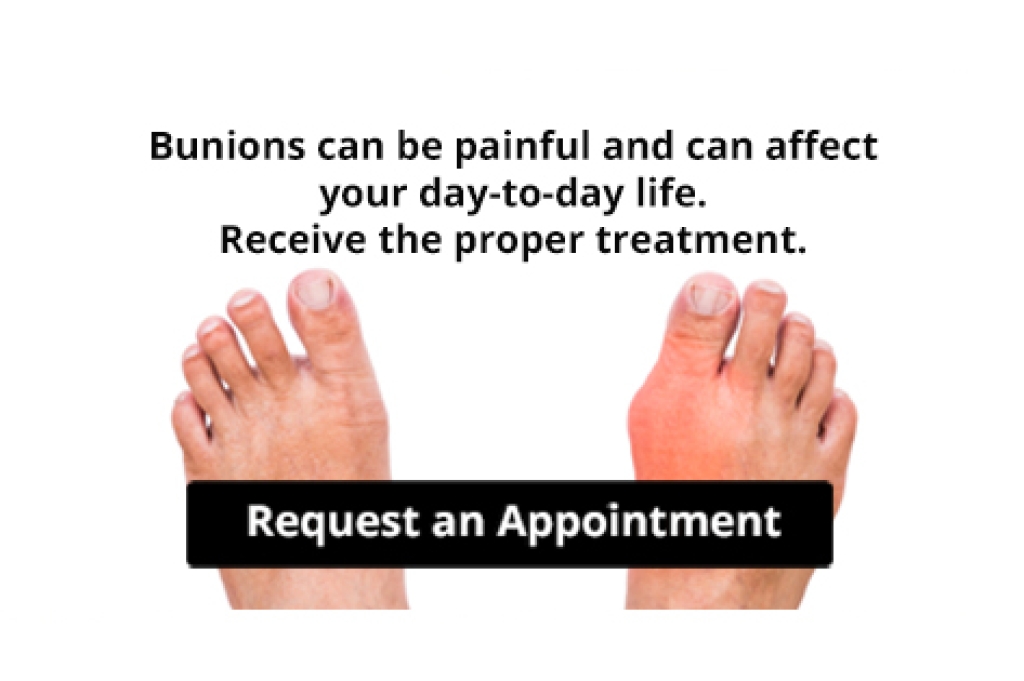
Are Bunions Affecting Your Everyday Life?

Have you noticed a bony protrusion on the side of your big toe? If so, you may have developed the foot condition known as a bunion. Don't let bunions interfere with your daily activities.

scroll to top
Request Appointment Request Appointments for Home Visits