


Foot & Ankle Wound Care in New Orleans, Metairie & Slidell, LA
Expert Diabetic Foot Ulcer Treatment
Our podiatrist treats non-healing foot ulcers in the areas of New Orleans, LA 70127, Metairie, LA 70003 and Slidell, LA 70461. Call our podiatry offices today at (504) 888-3668 if you are interested in diabetic foot assessments & care or if you are dealing with leg & foot ulcerations.
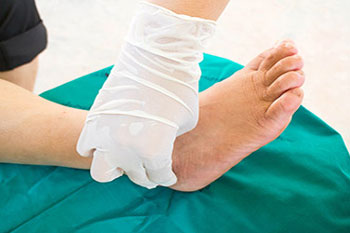
If you have diabetes or circulation problems, proper wound care is vital to protect your feet and overall health. At LaFeet Foot & Ankle Clinic, our podiatrists provide advanced foot and ankle wound care for patients in New Orleans, Metairie, Slidell, and the surrounding areas. We specialize in treating diabetic foot ulcers, non-healing wounds, and infection prevention to help you stay mobile and avoid serious complications.
Why Prompt Wound Care Is Critical for Diabetic Patients
People with diabetes often experience neuropathy, a type of nerve damage that causes loss of sensation in the feet. When you can’t feel pain, even a small cut, blister, or sore can go unnoticed and worsen over time.
Combined with circulation issues, neuropathy can lead to slow-healing or non-healing wounds (ulcers). If left untreated, these wounds may become infected, cause gangrene, and—in severe cases—require amputation. That’s why early podiatric care is essential.
Common Causes of Diabetic Foot Wounds
- Wearing tight or ill-fitting shoes
- Getting a small object (like a pebble) trapped in your shoe
- Friction from walking or running
- Ignoring a blister, callus, or small sore
Even minor foot injuries can worsen quickly if not treated properly. If you notice any wound, avoid putting pressure on the area and contact a podiatrist as soon as possible.
How to Care for Minor Foot Wounds at Home
- Rinse the wound gently with running water to remove dirt.
- Avoid using hydrogen peroxide, iodine, or alcohol—they can irritate tissue.
- Apply a thin layer of antibiotic ointment and cover the wound with a clean bandage.
- Change the bandage daily and keep the area dry.
- Wash the surrounding skin with mild soap and water.
If your wound doesn’t begin to heal within a few days—or you have diabetes— schedule a professional evaluation immediately.
Preventing Foot Wounds in Diabetic Patients
Prevention is the best defense against serious wound complications. We recommend:
- Checking your feet daily for cuts, blisters, or color changes
- Washing and drying your feet carefully each day
- Wearing comfortable, supportive shoes with enough toe room
- Trimming toenails straight across to prevent ingrown nails
- Using a mirror or asking for help to inspect hard-to-see areas
- Reporting any redness, swelling, or sores to a podiatrist right away
Keeping your blood sugar levels stable is also key to improving circulation and promoting healing.
When Foot Wounds Don’t Heal
A wound that doesn’t heal within a few weeks may develop into a foot ulcer. These ulcers can become infected and spread to deeper tissues or bone (osteomyelitis). In severe cases, gangrene can occur, requiring surgical removal of dead tissue (debridement) to save surrounding tissue.
Early diagnosis and treatment dramatically reduce the risk of amputation. Our podiatrists specialize in early detection, wound management, and limb preservation.
Advanced Wound Care at LaFeet Foot & Ankle Clinic
Our team provides individualized wound care plans that may include:
- Debridement (removal of dead tissue)
- Infection control & antibiotic therapy
- Offloading techniques to relieve pressure
- Specialized dressings and grafts
- Circulation improvement strategies
We work closely with diabetic care teams and vascular specialists to promote fast, safe healing.
Schedule an Appointment Today
Don’t wait for a small wound to become a serious problem. Contact LaFeet Foot & Ankle Clinic for expert foot and ankle wound care in New Orleans, Metairie, and Slidell, LA.
📞 Call [(504) 888-3668] or Request an Appointment Online to protect your feet and stay healthy.
